The best frame of your trip will probably have a stranger in it. A woman stacking oranges into a pyramid, a kid sprinting after a pigeon, a fisherman coiling rope with hands that have done it forty years. You lift the camera. Then you pause, because something about the moment seems to ask for permission first.
That pause is worth listening to. It is where a working ethic begins.
Travel photography and street photography overlap, but a traveler carries extra weight. You are a guest. You will be gone in a week, and the person in your frame stays. Getting this right is not about being timid; some of the most alive photographs ever made required a photographer to step close. But curiosity and entitlement look nearly identical from the other side of the lens, and the difference comes down to small decisions.
Most conversations about consent collapse into a binary: ask or don't. In practice you are making a run of smaller choices — distance, lens, timing, whether the face is recognisable, whether the picture is ever published.
A wide shot of a crowded beach where nobody can be identified is a different act from a tight portrait of a vendor whose face will be searchable forever. Both can be defensible. They are not the same thing.
It helps to think in three rough layers:
The tighter the crop and the more identifiable the person, the further up that ladder you should climb. For candid work in genuinely crowded public space, the first layer is often enough. For a portrait, slow down and ask.
Photography law is local and rarely simple. Rights to photograph in public, privacy protections, and restrictions on photographing police, military sites, airports or children vary widely. France and Germany are often cited as places where individuals hold strong control over their own image, particularly once a picture is published; the UK and the US generally allow more latitude for photography in public. Treat all of that as a prompt to check, not as a rulebook.
A few practical habits: read your own country's foreign-office travel advice for current restrictions, ask at your guesthouse or with a local guide about sensitivities in the area, and if you plan to publish or sell images, take proper local legal advice rather than relying on a blog post. Including this one.
Religious ceremonies unless you have asked an officiant or elder. Schools and clinics. Homes, doorways and courtyards that people clearly treat as private. Hospitals and funerals. Police operations and checkpoints, where a camera can create genuine danger for you and for the people nearby. In many places, photographing women without a clear welcome is a bad idea; in some, it is a serious one.
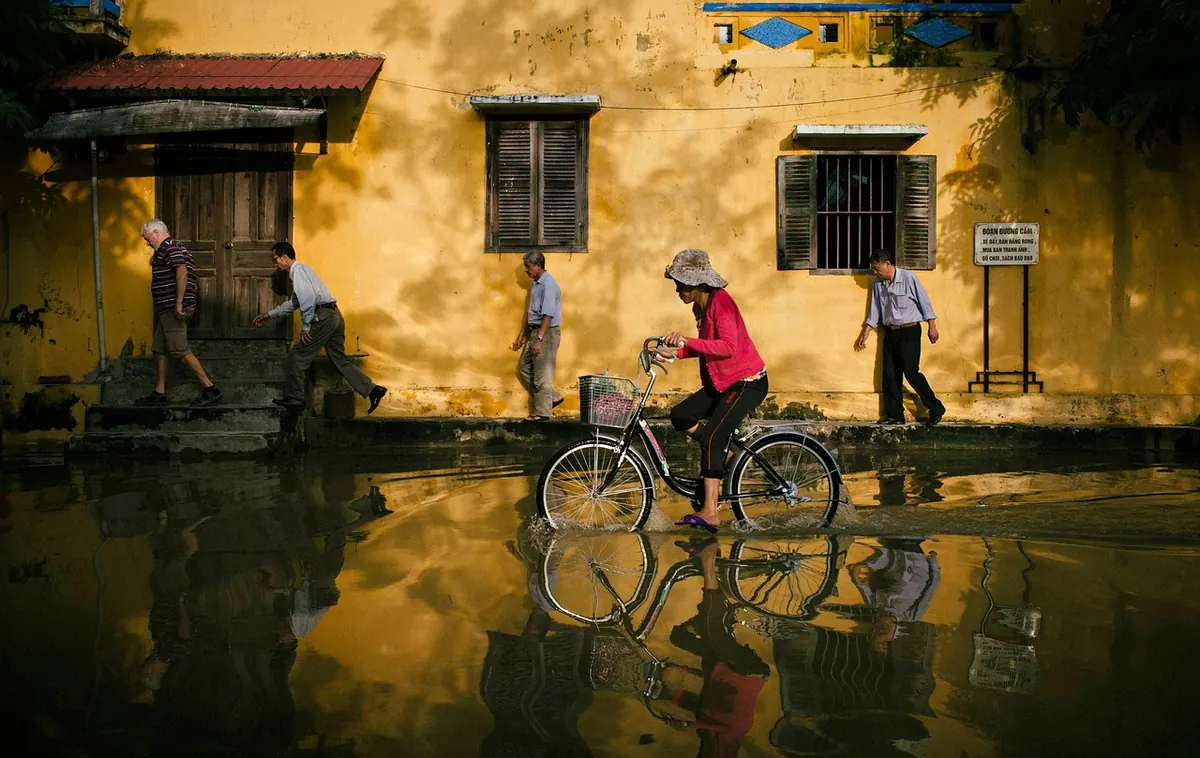
"Public" is not a magic word that dissolves other people's dignity. A street is public; a person eating lunch alone on a step is having a private moment in a public place. The distinction is not legal — it is human.
So photograph composure rather than misfortune. Someone sleeping rough, someone crying, someone in obvious distress, a child in swimwear: these are the frames where a photographer should hear a loud internal alarm. Ask yourself a blunt question. Would I be comfortable if this were me, printed large, hung on a wall with my name underneath? If the answer wavers, walk on.
Body language is the fastest briefing you will get. A hand raised, a shoulder turned, a headscarf adjusted, a child pulled closer, a shopkeeper folding his arms in the doorway — these are all answers, given before you asked the question. So is the pace of a place. A quiet residential lane at dusk asks for different behaviour than a festival square at noon.
Ask people, too. Your host, a waiter, a taxi driver, a guide. Local knowledge beats anything you read online, including general advice about "the culture" of a country the size of a continent. And remember that paying for photographs is not a neutral act: in some contexts a small fee is fair and expected, in others it turns every face into a vending machine. Decide deliberately rather than by default.
Deleting on request is not required by law everywhere, but on a personal trip it is usually the decent move. Do it in front of them, not later in your hotel room. The photograph is almost never worth the friction, and your memory of the trip will outlast the frame.
If a subject asks for money afterwards, that is a negotiation, not a trap; decide calmly whether you want to pay, and consider whether the relationship you are setting up for the next photographer is one you would want to inherit.
Editing and publishing are where most ethical failures actually occur — long after the shutter, in a quiet room. Cropping to make a place look poorer, older or stranger than it is turns a document into a costume. Captions matter too: "the smiling vendor" is not a caption, it is a category. Write what you know and leave out what you have invented.
If you plan to publish a recognisable portrait, sending it to the person first is a small courtesy with a large effect. Be careful with geotags on pictures of individuals and homes, and skip the location on images of children entirely. Competitions and commercial use demand a higher standard of consent than a personal album, so ask again if the picture's future changes.
Camera visible rather than hidden. Three phrases loaded. A plan for how you will approach people. The sun on your side and patience in your pocket.
Then the four questions before every frame that includes a face: Is this person identifiable? Would they mind? Would they mind in five years? And if the answer is genuinely unclear — have I asked?
Put the camera down more often than you think you should. The photographs you keep will be the ones you can show to the person in them without flinching. That is a low bar and a high one at the same time, and it is the only standard that travels well.
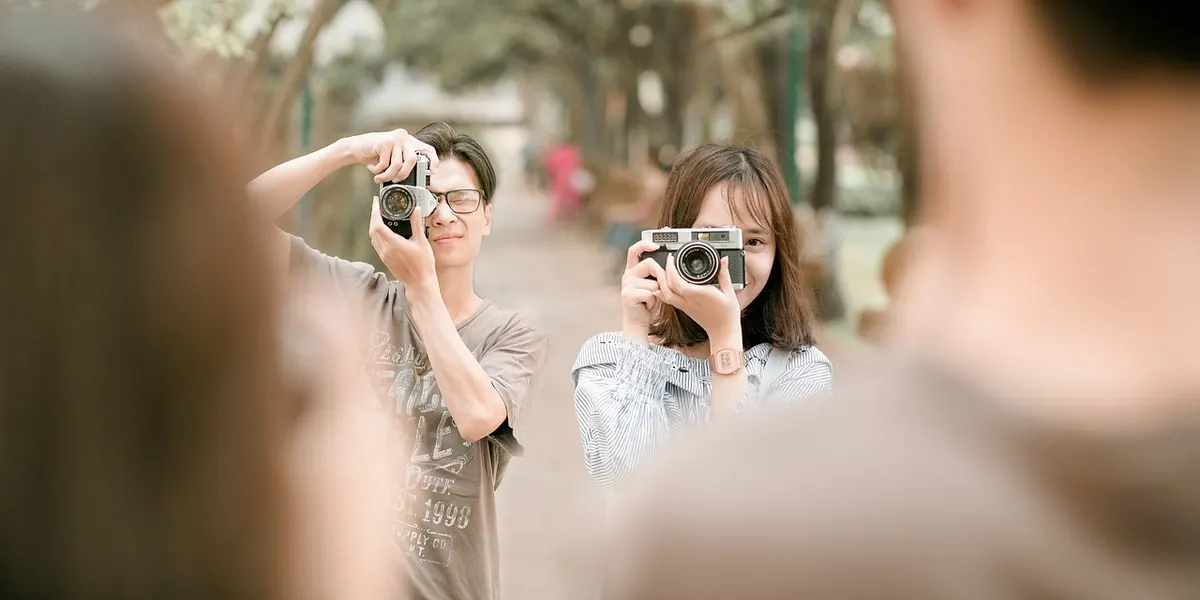
Photo: Toan_Le / Pixabay